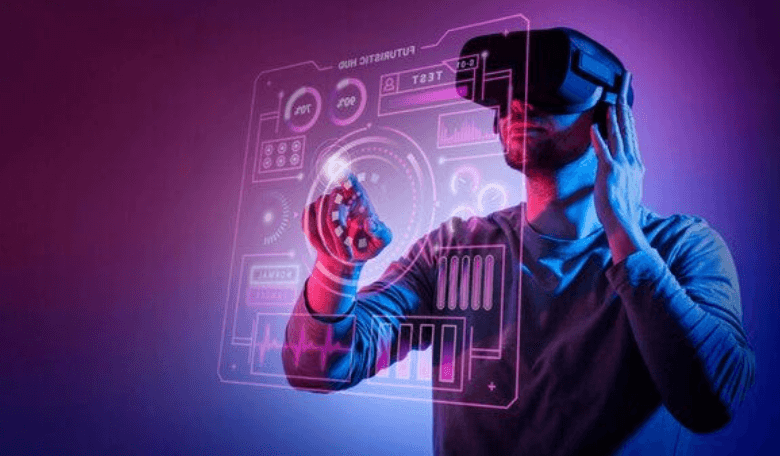
Technology is advancing at lightning speed, shaping industries, economies, and our daily lives. In 2025, key innovations like artificial intelligence (AI), cloud computing, the Internet of Things (IoT), blockchain, 5G networks, and green technology are driving transformation across the globe. This article highlights the most impactful tech trends and explains how they are building the future.
Artificial Intelligence: Leading the Digital Era
Artificial Intelligence has become the backbone of digital progress.
- Healthcare: AI helps detect diseases early, supports robotic surgeries, and personalizes treatments.
- Business: Companies use AI for chatbots, fraud detection, and predictive analytics.
- Lifestyle: Smart assistants like Siri, Alexa, and Google Assistant make everyday tasks easier.
By 2030, AI could contribute over $15 trillion to the global economy, making it one of the most powerful forces in technology.
Cloud Computing: Building the Digital Backbone
Cloud computing provides storage, scalability, and flexibility to businesses and individuals.
- Remote work: Teams collaborate from anywhere in the world.
- Scalability: Companies can easily adjust resources according to demand.
- Cost-effectiveness: Eliminates the need for expensive on-site servers.
Leaders such as AWS, Microsoft Azure, and Google Cloud are constantly innovating to make cloud services faster, more secure, and affordable.
Internet of Things (IoT): A Connected World
The Internet of Things (IoT) connects billions of devices globally, creating smarter ecosystems.
- Smart homes: Appliances, lighting, and security systems can be controlled remotely.
- Healthcare: Wearable devices track vital signs and alert doctors when needed.
- Smart cities: IoT sensors manage energy, traffic, and waste more efficiently.
By 2027, there could be over 30 billion IoT devices worldwide, revolutionizing industries and daily life.
Cybersecurity: Protecting the Digital Age
With digital growth comes the challenge of protecting data and systems.
- AI-driven security: Detects and blocks threats in real time.
- Encryption and authentication: Keep personal and business data secure.
- User awareness: Strong passwords and training reduce cyber risks.
Cybersecurity is not just an IT concern—it is the foundation of digital trust in a connected world.
5G Networks: The Future of Connectivity
The rollout of 5G technology is transforming how we connect and communicate.
- Faster speeds: Ultra-high internet speed makes downloads and streaming seamless.
- Low latency: Improves gaming, virtual reality (VR), and augmented reality (AR) experiences.
- Industry impact: Enables self-driving cars, smart factories, and telemedicine.
5G is also powering the metaverse and boosting next-generation IoT platforms.
Blockchain: Transforming More Than Finance
Blockchain is best known for powering cryptocurrencies like Bitcoin and Ethereum, but its applications are much broader.
- Banking and finance: Secure, transparent, and decentralized transactions.
- Supply chain management: Tracks goods to reduce fraud and errors.
- Healthcare: Protects sensitive patient records.
Blockchain also drives NFTs, smart contracts, and Web3, creating decentralized solutions across industries.
Green Technology: Innovation with Sustainability
Sustainability is no longer optional. Green technology ensures progress without harming the environment.
- Renewable energy: Solar and wind power are replacing fossil fuels.
- Electric vehicles (EVs): Major automakers are shifting to eco-friendly transportation.
- Smart grids: AI-powered energy systems reduce waste.
Green technology balances innovation with environmental responsibility, helping fight climate change.
Emerging Technologies: Shaping Tomorrow
Beyond today’s mainstream trends, new technologies are taking shape.
- Quantum computing: Capable of solving problems beyond the power of current computers.
- Biotechnology: Advances in genetics and personalized medicine.
- Metaverse platforms: Blending real and digital worlds for work, play, and education.
- Artificial General Intelligence (AGI): AI approaching human-like reasoning and creativity.
These breakthroughs bring opportunities but also raise ethical, security, and privacy concerns.
Conclusion
Technology in 2025 is transforming every part of life—from AI in healthcare and 5G-powered connectivity to blockchain in finance and green innovations for sustainability. These trends highlight a future that is smarter, faster, and more sustainable.
However, with opportunity comes responsibility. Issues such as cybersecurity threats and environmental challenges must be addressed carefully. The future of technology will depend on balancing innovation, security, and sustainability.
In short, technology is not just shaping the future—it is actively building it today.